Wasps: Things You Should Know About The Yellow Jacket Wasp
Learn everything you need to know about yellow jacket wasps, including how to identify them, why they're aggressive, where they nest, and how to prevent infestations.
Yellow Jacket Wasp: Things You Should Know
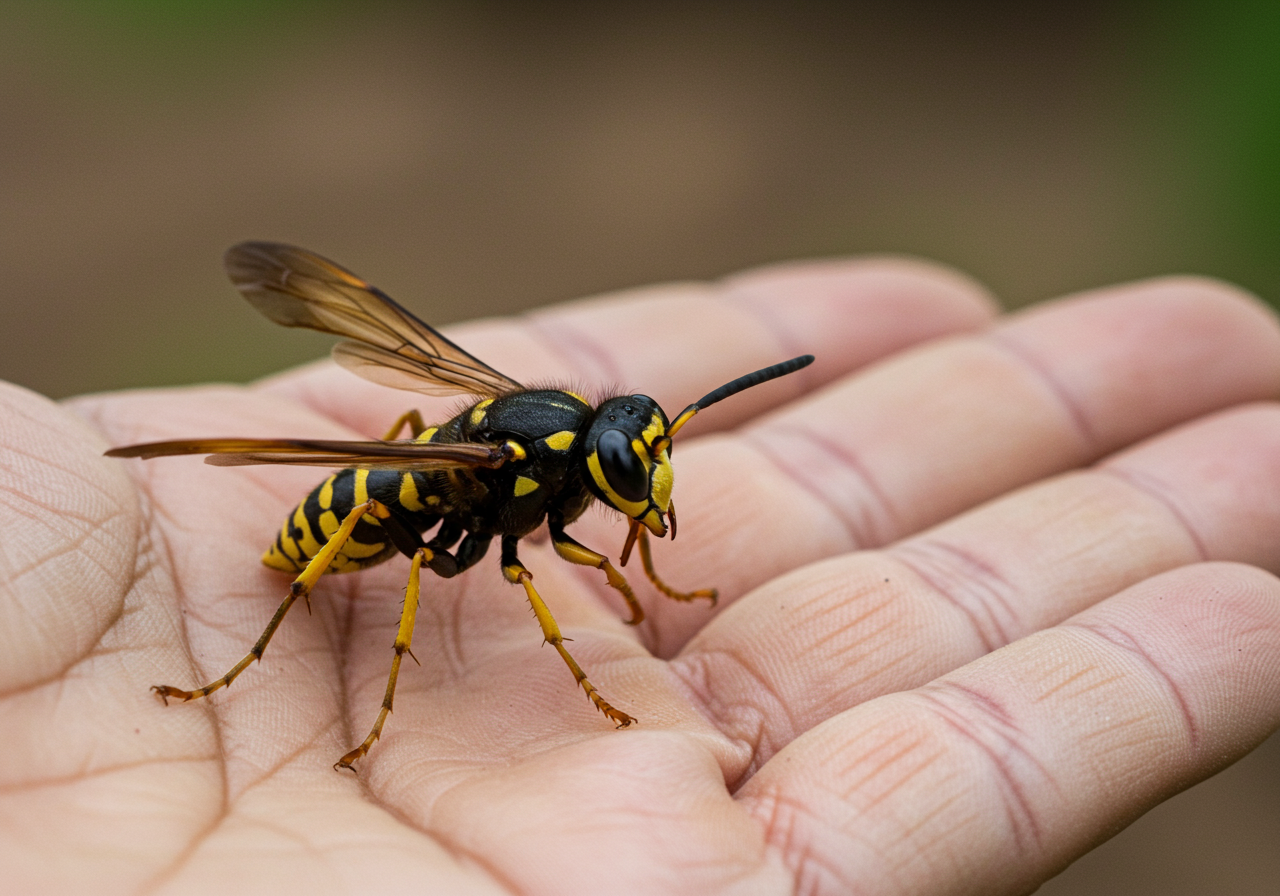
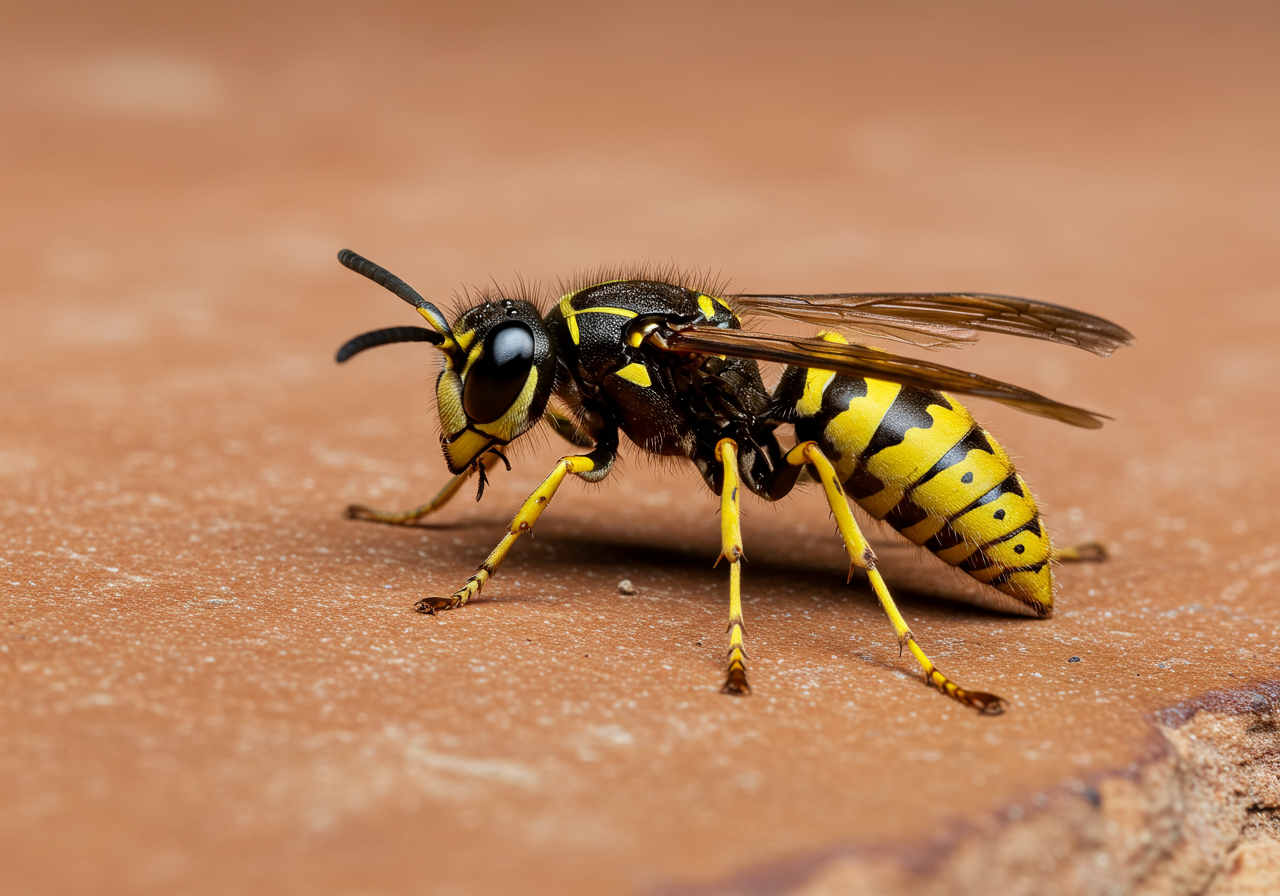
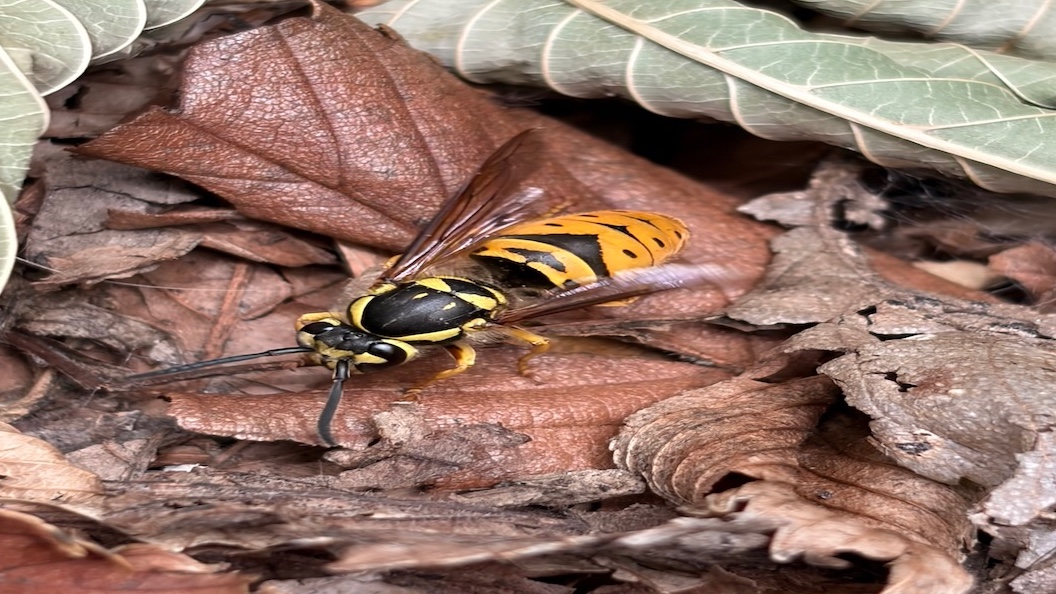
The Yellow Jacket Wasp is one of Minnesota's most common stinging insect. Probably 2nd only to the Paper Wasp. This quick and agile little bug is quite the hard worker.
They usually start appearing to home owners and residents of the Twin Cities towards the tail end of the summer season when nests have become large and abundant throughout Minnesota. Although you may start seeing them in July and August, they actually emerge from overwintering in early or late spring. Lets start with the queen.
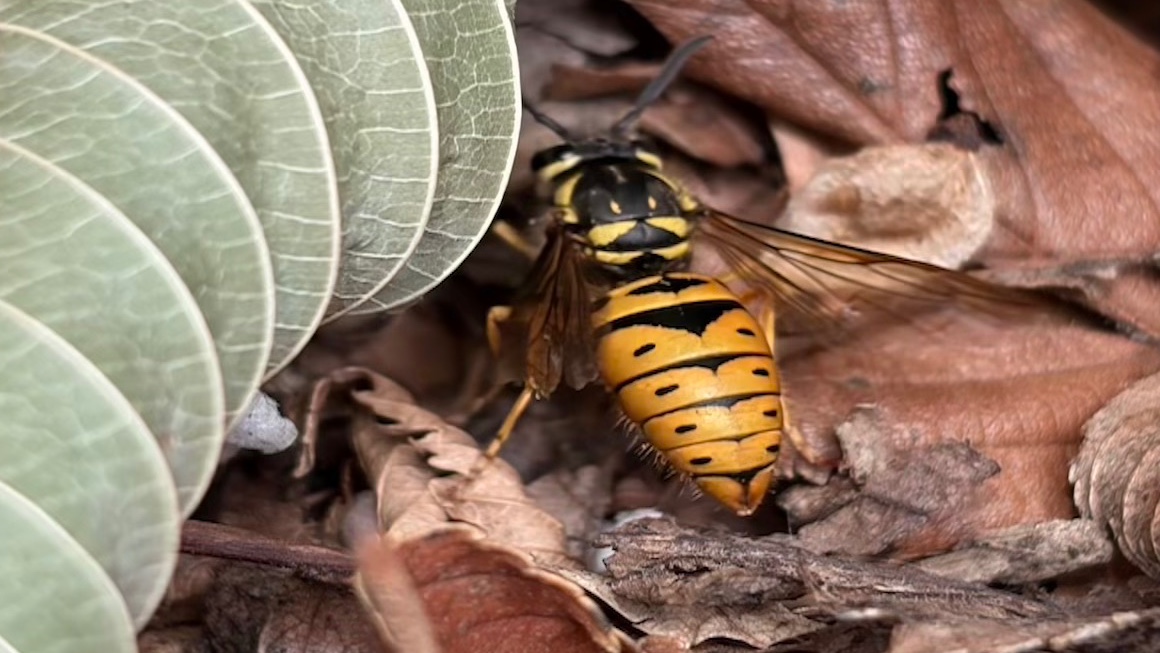
Spring Emergence
Queens mate in the fall and the surviving queens find a place to overwinter for the colder months of the year. They then emerge in early to mid spring. After emerging, they find a nesting site often choosing a location that is dark, secluded and underground.
These nesting sites can range from rodent burrows, wall voids, cavities in old tree stumps and other ideal structures. They construct a small golf sized paper nest from chewed wood fibers and saliva. She raises the first generation of sterile females in this nest.
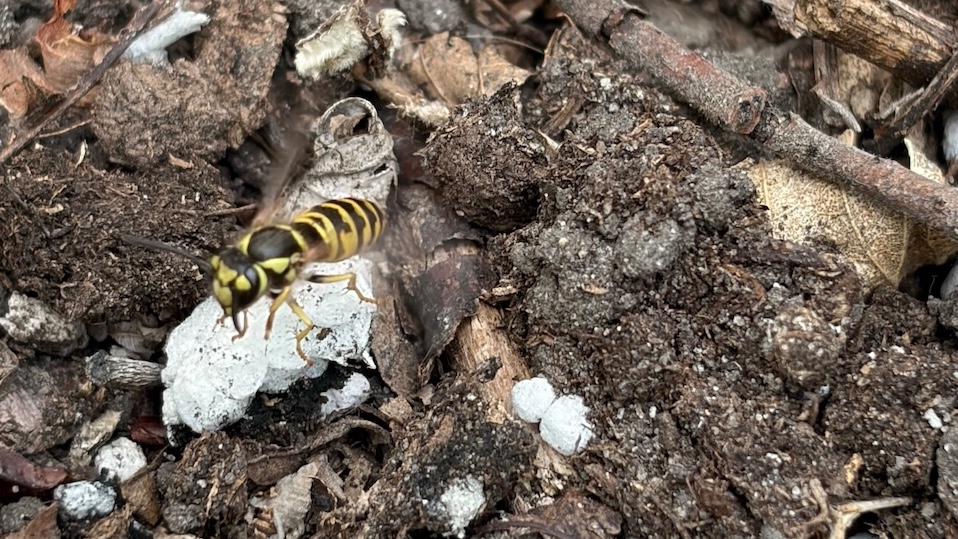
Paper Nest
Her nest is constructed entirely of wood fibers and saliva. She ventures out on her own to collect weathered or untreated wood from decaying tree stumps, fences, decks and even the old kids play set in the backyard.
She chews the wood fibers and mixes it with her saliva. She constructs a central stalk from this and builds the first section of hexagonal brood. One egg is laid in each chamber, these become the first generation of female workers.
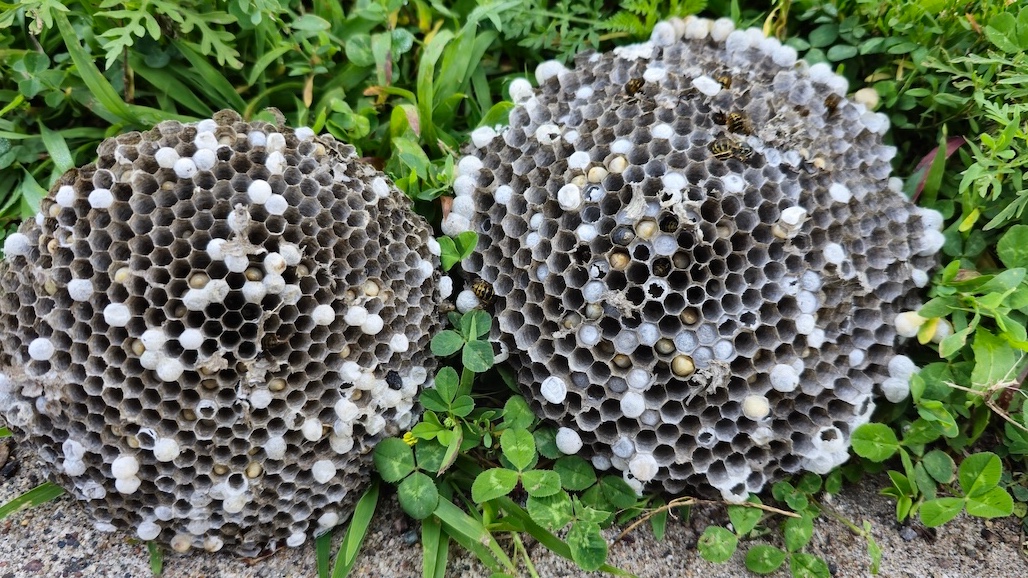
Female Workers
After the eggs in each cell begin to hatch, she ventures out to collect nectar, fruit juices and insects to feed her larvae. Once the larvae pupate into sterile female workers usually around mid to end of June, they take over all foraging and defense of the nest.
The queen wasp then secludes herself to the interior of the nest to strictly lay eggs while the workers forage and defend. From here on out the colony expands quickly and can become a painful pest to deal with towards the end of summer and early fall.
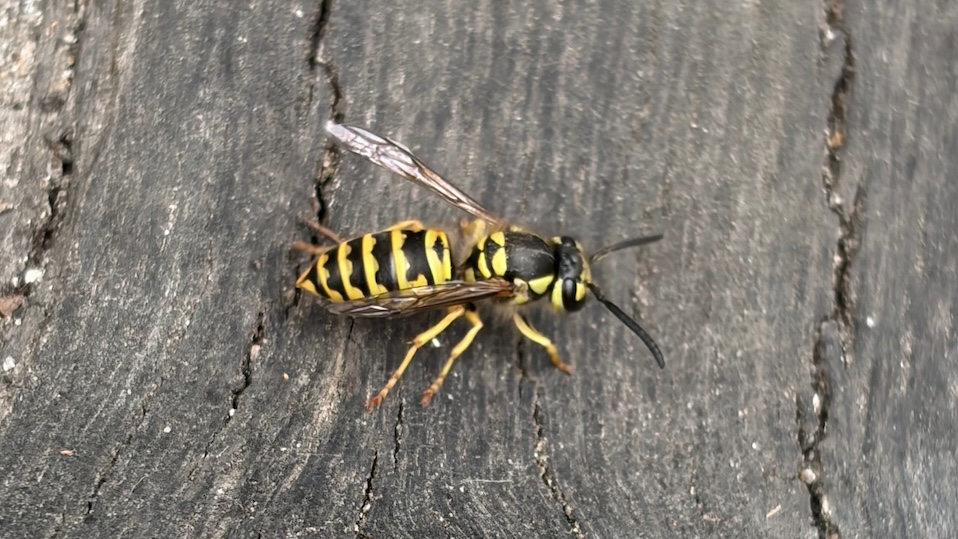
Get Your Free Wasp Extermination Quote Today!
Ready to proactively protect your home from wasps? Share a few details below, and a friendly expert from Brand Tiger Pest Control will quickly get back to you with a personalized, no-obligation quote. Fast, reliable pest solutions for your home or business are just a click away!
More Blogs
Some other blogs you might be interested in